
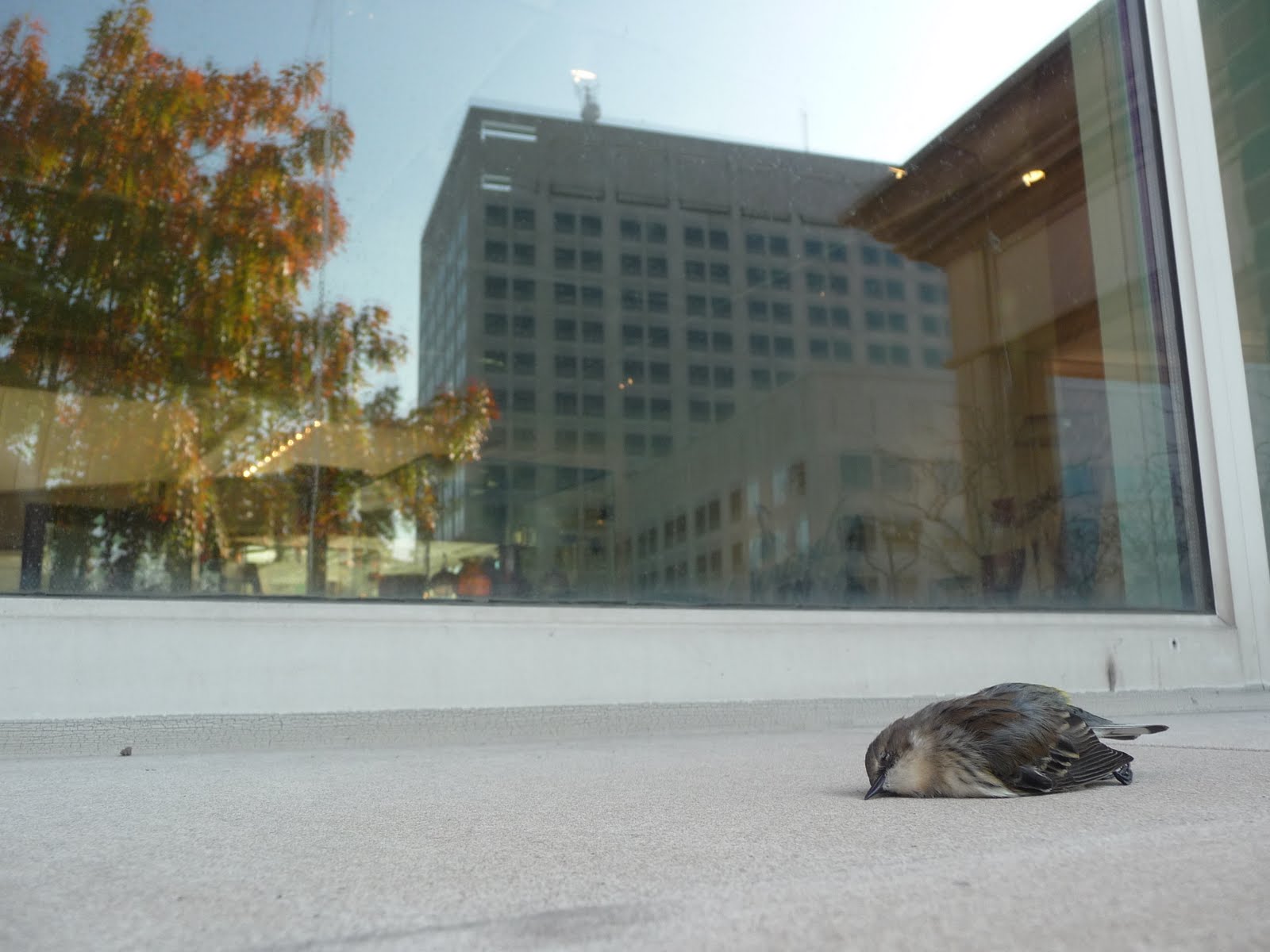
Lights Out Indy is an initiative begun by Amos W. Butler Audubon Society. Working with partners, such as the City of Indianapolis, and building owners and managers, the goals of the program are to reduce bird mortality due to building collisions and decrease energy consumption in the Indianapolis Metro area.
Participating buildings will:
Benefits of participating:
It’s simple and easy. Businesses save money by reducing their energy usage and fewer birds will collide with buildings. While the program is in effect during key bird migration periods – April 1 through May 31 and August 15 through October 31 – building owners and managers are encouraged to participate year-round.
Funding for Lights Out Indy was made possible by an Amos W. Butler Audubon Birdathon grant.
Join Lights Out Indy and the Amos W. Butler Audubon Society in observing Earth Hour on March 27, 2010 from 8:30pm to 9:30pm. No need to travel anywhere to participate. Observe Earth Hour in the comfort of your own location. Hundreds of millions of people worldwide will come together on March 27 to call for action on climate change by doing something quite simple—turning off their lights for one hour. The movement symbolizes that by working together, each of us can make a positive impact in this fight, protecting our future and that of future generations. Observe Earth Hour at your home or business and encourage others to participate. Consider implementing long-term changes that will help save energy and money. Learn more about how Earth Hour by clicking the Earth Hour image.
FREE WindowAlert Clings!
Help prevent bird collisions and save lives at your home or office with free WindowAlert. From March 1, 2010 through April 30, 2010, while supplies last, the Wisconsin Humane Society will send you 8 FREE WindowAlert clings, with NO charge for shipping and handling! Click here to request your free clings online. The Wisconsin Humane Society thanks the Jeff Rusinow Family Foundation for making it possible to provide the clings free of charge.
Place the clings on windows where bird strikes have occurred, or are likely to occur, to reduce future strikes. The clings will not eliminate bird strikes but they should reduce them. The more clings that are used on a problem window will increase the effectiveness of the product.